
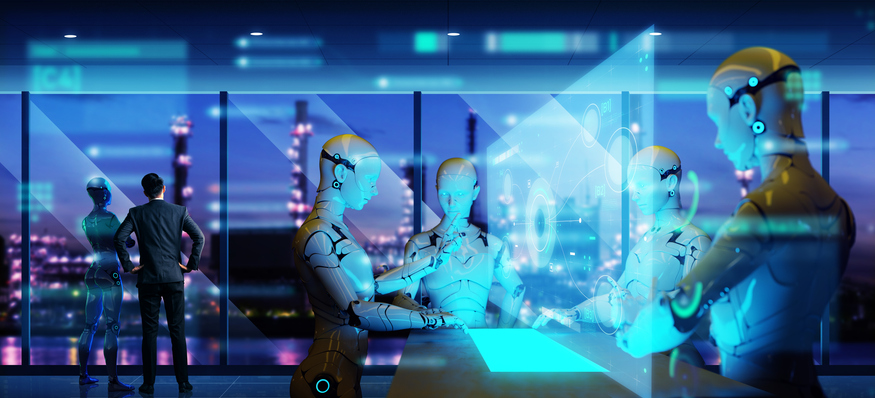
The Future of Conflict
Within current conflicts between Ukraine and Russia, Israel and Palestine, Pakistan and Afghanistan and others, the landscape of modern warfare is undergoing a seismic shift, driven by the rapid integration of artificial intelligence (AI) and robotics. These technologies are not just transforming how wars are fought; they are redefining the very nature of conflict, peace and global security.
This article is based on strategic reports by PreEmpt.Life, available free of charge for download.
From autonomous drones via air, sea and now land, to AI-driven decision-making systems, the battlefield of the future will look nothing like the ones we’ve known. But with these advancements come profound ethical, strategic, and societal questions. How do we ensure that these powerful tools are used responsibly? What does the rise of AI mean for the future of human soldiers? And how can we harness these technologies to promote peace rather than escalate conflict?
The New Face of Warfare: AI and Robotics Take Center Stage
It is not difficult to imagine a world where wars are no longer fought by human soldiers on the ground, but by swarms of autonomous drones, guided by algorithms that can process information faster than any human mind. This is not science fiction; it’s the reality we’re rapidly approaching. AI and robotics are already playing critical roles in modern military operations, from intelligence gathering to logistics and even combat.
One of the most significant developments is the rise of decentralized conflict management. Instead of relying on centralized command structures, militaries are increasingly using AI to distribute decision-making across multiple nodes. This approach not only enhances efficiency, but also reduces the risk of catastrophic failures. If one node is compromised, others can continue to operate, ensuring that the mission stays on track. – very similar to a failsafe ‘worldwide web’ as originally conceptualised.
Another game-changer is the concept of human-robot symbiosis. Soldiers equipped with exoskeletons or augmented reality systems can perform tasks that would be impossible for unaided humans. These technologies are not just about enhancing physical capabilities; they also provide real-time data and analytics, allowing soldiers to make better decisions in the heat of battle.
Ethical AI: A Double-Edged Sword
While the potential benefits of AI in warfare are immense, they come with significant ethical challenges. One of the most pressing issues is the question of autonomy. How much decision-making power should we give to machines? Can an AI system be trusted to make life-or-death decisions without human oversight? These questions are not just theoretical; they have real-world implications.
For example, the development of autonomous weapons systems has sparked intense debate. Proponents argue that these systems can reduce human casualties by taking soldiers out of harm’s way. Critics, however, worry that giving machines the power to kill without human intervention could lead to unintended consequences, including the escalation of conflicts and the loss of accountability.
To address these concerns, there is a growing push for global AI ethics standards. Organizations like the Global AI Ethics Coalition are working to establish guidelines for the responsible use of AI in military contexts. These standards aim to ensure that AI systems are transparent, accountable, and aligned with international humanitarian laws.
The Role of AI in Peacebuilding
While much of the focus on AI in warfare has been on its potential to enhance combat capabilities, it’s important to recognize that these technologies can also play a crucial role in promoting peace. For instance, AI-driven predictive conflict algorithms can help identify potential flashpoints before they escalate into full-blown conflicts. By analyzing vast amounts of data, these systems can provide early warnings and suggest interventions to de-escalate tensions.
Another promising application is the use of AI in peace negotiations. Diplomatic efforts often involve complex, high-stakes negotiations. AI systems can assist by providing real-time data analysis, helping negotiators understand the underlying dynamics of a conflict and identify potential areas of compromise.
The Future of Warfare: What Lies Ahead?
As we look to the future, it’s clear that AI and robotics will continue to play an increasingly central role in military operations. But the path forward is fraught with challenges. One of the biggest uncertainties is the potential for a technological arms race. As nations compete to develop more advanced AI systems, there is a risk that this competition could lead to increased tensions and even conflict.
At the same time, there is also the potential for AI-driven disarmament. By leveraging AI to monitor and verify compliance with arms control agreements, we could create a more stable and secure world. The key will be finding ways to balance the benefits of these technologies with the risks they pose.
Shaping the Future of AI in Warfare
The integration of AI and robotics into modern warfare is not just a technological challenge; it’s a moral and strategic imperative. As we navigate this complex landscape, it’s essential that we approach these technologies with a clear sense of purpose and responsibility. We must ensure that they are used to enhance security, protect human lives, and promote peace.
At PreEmpt.Life, we are at the forefront of this transformation. As a leader in decision intelligence, strategic foresight, and horizon-scanning, we help organizations navigate the complexities of AI and robotics in military and security contexts. Our mission is to provide the insights and tools needed to make informed, ethical decisions in an increasingly uncertain world.
If you’re ready to explore how AI and robotics can shape the future of warfare, and how you can stay ahead of the curve. Contact PreEmpt.Life today and together, we can reimagine tomorrow and build a safer, more secure world.
Why This Matters
The integration of AI and robotics into modern warfare is one of the most significant developments of our time. It has the potential to transform not just how wars are fought, but how we think about conflict, security, and peace. By understanding these technologies and their implications, we can make better decisions today that will shape the future for generations to come.
Final Thoughts
The future of warfare is not set in stone. It will be shaped by the choices we make today. By embracing the potential of AI and robotics while remaining vigilant about their risks, we can create a future where these technologies are used to protect, rather than harm. The stakes are high, but so are the opportunities. Let’s seize them together.
Nice piece